
At the Config 2025 conference, Figma announced its acquisition of Payload, a modern open-source headless CMS that will now become part of the Figma ecosystem. The goal is to close the gap between design and development and enable a seamless workflow from idea to design to finished application.
The disconnect between design and implementation is a major obstacle.
A good design is only as strong as its implementation.
Today, designs are created collaboratively in Figma — modular, well thought-out, consistent. But as soon as it comes to implementation, this clarity ends: components are recreated, layouts are reinterpreted, and individual styles are integrated during content maintenance. This not only costs a lot of time, but also destroys brand precision, performance, and productivity.
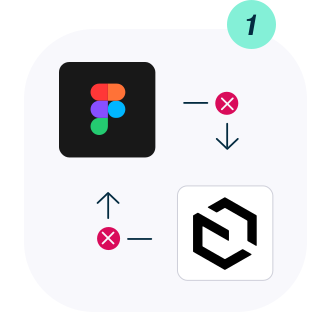
Designs are replicated
Figma design and CMS implementation are two different worlds — each with its own approach and few similarities.
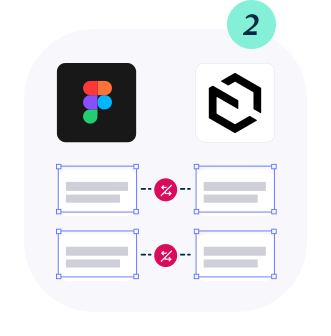
Design system is being diluted
Excessive modularization of content elements fragments the underlying design system. The final pages deviate significantly from the design concept.
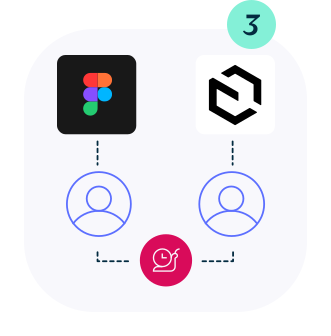
Inadequate cooperation
Design and development teams often work in isolation from one another. This leads to misunderstandings and duplication of effort. That compromises quality and wastes time.
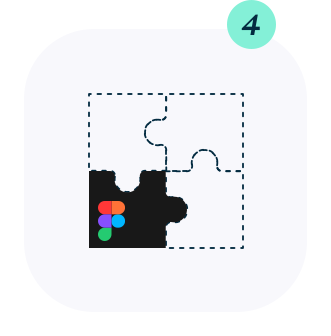
No solid foundation
Changes to the design system are difficult to apply to existing content, leading to inconsistent representations and multiple design versions.

Julia Engelbracht
Project Manager
Those who do not rethink now will lose competitiveness

From design to disappointment
What looks perfect in the design is increasingly impossible to implement in the CMS. The desired brand image suffers.

Time-to-market is too slow
Every new feature and every further development takes a lot of time because design, development, and content are not sufficiently integrated.

No system, no overview
Instead of maintaining content in a structured and centralized manner, it is duplicated, inserted, and manually adjusted. This creates chaos and inconsistencies and makes efficient work impossible.

High maintenance costs
Unstructured CMS solutions create modules that are difficult to maintain and make each adjustment more expensive than the last.

Lack of innovative strength
The CMS becomes a stumbling block for genuine digital advancement. And what is not technically feasible will eventually no longer even be considered strategically.

Scaling becomes a risk factor
Without a robust CMS structure, every expansion becomes a problem. This results in inconsistency, redundancy, and chaos.
What was previously separate is now growing together.
Figma and Payload are stepping up to fill this gap in the future.
With the acquisition of Payload, Figma is laying the foundation for a seamless workflow—from initial design to productive application. Payload offers exactly what many headless CMSs lack: true modeling of design logic, API-first structure, maximum flexibility, and the openness to integrate into modern platform architectures.
With its integration into the Figma ecosystem, Payload is now more visible, more powerful—and perhaps the most exciting CMS on the market. For us, this comes as no surprise, but rather as the logical evolution of a CMS solution that we have been incredibly happy to use for several years.
Official payload partner. Convincing from the very beginning.
With Payload, we implement scalable platform solutions in which the design system and CMS already work well together today.
We have believed in Payload not just since the Figma takeover, but since the very first commit. For a good three years now, we at pemedia have been consistently implementing all CMS projects with Payload—because we believe it is simply the best solution for complex platform architectures, modular design systems, and scalable content models.
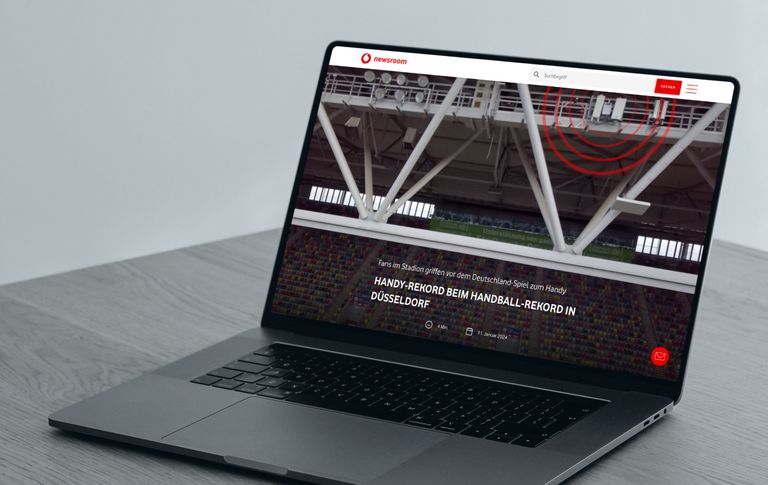
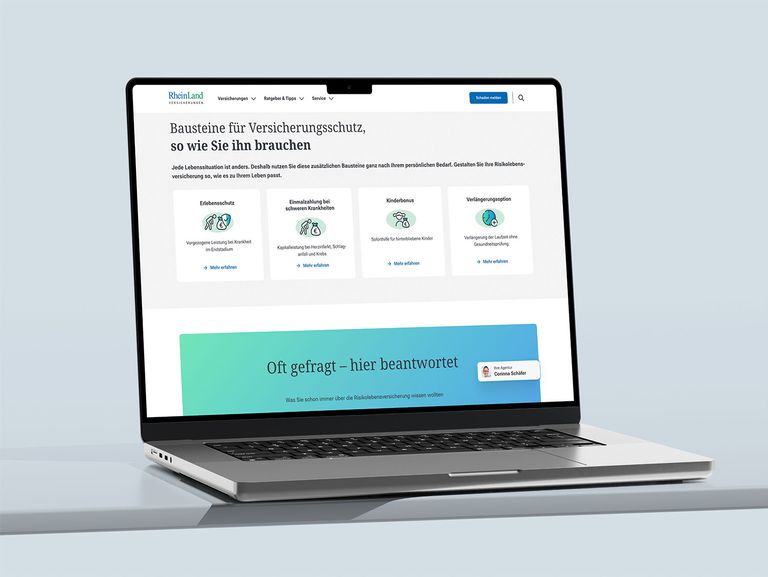
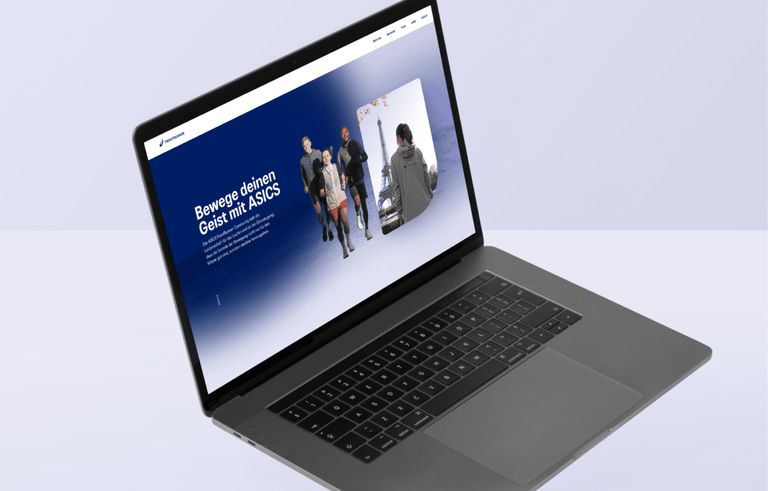
As an official Payload partner, we know not only the potential but also the practicalities: we have used Payload to create large corporate websites, newsrooms, career pages, and digital magazines, where Figma design systems directly define the CMS structure. With reusable components, scalable setups, and proprietary plugins that make Payload even more powerful and reflect the individual functional requirements of our customers.
Our Payload Showroom
Enterprise-ready with our exclusive payload plugins
Payload's standard setup provides a strong foundation—but for complex requirements, "standard" is often not enough. We have specifically enhanced Payload with special enterprise features. This gives you exactly the performance and flexibility you need to successfully implement even the most demanding requirements.
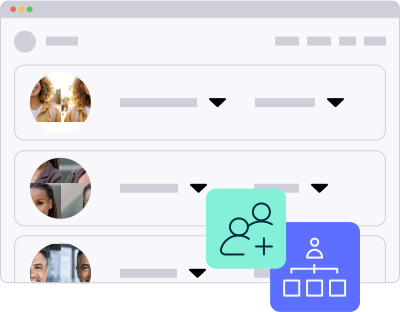
User management with invite system
Managing roles, users, and workflows is easy. With an invite system, role-based permissions, better UX, and features that make editors everyday lives easier.
Enterprise-level security
Whether it's 2FA, password complexity, or audit logs, we integrate the necessary features to keep your system GDPR-compliant, robust, and secure.
Single sign-on & centralized control
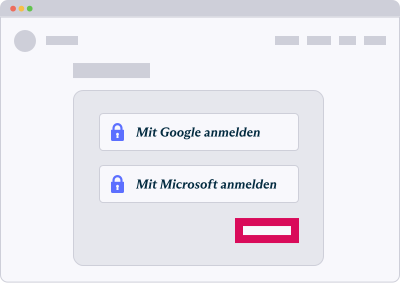
Payload can be seamlessly integrated into existing authentication systems. With SSO (e.g., via Azure, Google, or Okta), access can be controlled centrally—including audit trails and logging.
Continuous development included
We are continuously developing our payload plugins, expanding functions, and evaluating new features — based on real project requirements and what our customers really need.
Customized CMS solutions for real digital challenges
Our payload projects follow a clear principle: strong foundation, targeted expansion, and individual implementation.
We start by integrating the standard Payload setup. We supplement it with our exclusive enterprise plugins, which cover key functions such as rights management and security processes. And then we create the decisive added value: a tailor-made solution that is precisely tailored to the processes, structures, and requirements of our customers.
It is precisely this individual development that makes the difference—functionally, economically, and in terms of quality. Because no company should have to adapt to its CMS. The CMS must adapt to the company.

Tailor-made solutions
Do you have requirements that go beyond the basics of a CMS? We design and develop tailor-made integrations especially for you, perfectly balancing functionality and user-friendliness. Feel free to contact us!

Jan and Christoph Tormentors
Owner and managing director of pemedia
Full creative power thanks to integrated systems and customized solutions
Those who work in Figma want to think consistently. Those who work with Payload want to develop modularly. And those who work with pemedia get a platform that combines both—from the first wireframe to a scalable CMS setup with enterprise features.
Editorial processes that think for themselves
As an official payload partner, we provide smart plugins, excellent usability, and a high-performance system for editing, scaling, and security — ready for everyday corporate use.
Uniform workflow
Figma provides the design system, Payload provides the structure. We combine both into a consistent setup—without media breaks, without transfer pain.

Platform setup that scales
Whether it's a landing page or a complex platform with hundreds of pages: our modular CMS architecture grows with you, remains clearly structured, and can be controlled centrally.
Payload built by the payload partner
We implement your Figma system in Payload — as reusable blocks, with consistent logic, clear UX, and a setup that really takes the pressure off teams.
Payload CMS Agency
We are your Payload CMS agency for future-proof digital platforms.
Strategic CMS consulting and technical implementation for digital ecosystems
As a specialized Payload CMS agency, we help companies strategically evaluate, implement, and further develop headless architectures over the long term. We see Payload CMS not only as a technical system, but also as a central building block of digital ecosystems in which content can be flexibly modeled, used across channels, and operated sustainably. Our expertise ranges from the strategic selection of suitable CMS architectures to technical implementation with Payload CMS to stable operation and continuous development. In doing so, we take into account requirements such as scalability, maintainability, security aspects, and integration into existing system landscapes. This results in digital platforms that meet today's requirements and can be further developed in the long term.
Sounds interesting? Let's talk:

scroll